The survey addresses students and graduates who have spent parts of their studies in a country of the Western Balkans and outside of the six Western Balkan (WB) countries (Albania, Bosnia and Herzegovina, Kosovo*, Montenegro, North Macedonia, Serbia), mainly supported with EU funding (primarily Erasmus). The main aim of the study was to identify effective approaches for improvement in the higher education system of the Western Balkans (WB) based on the experiences of students and graduates who have experienced other higher education systems.
]]>
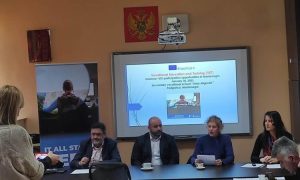
The goal of this event was to present the possibilities of Montenegrin participation in the field of vocational education within the Erasmus+ Call for project proposals. The event also served as an opportunity to share the experiences of participants in Erasmus+ projects in the field of vocational education.
Within the introductory part of the event, Ersan Spahić, director of vocational school “Vaso Aligrudić”; Vanja Drljević, head of the National Erasmus+ Office and Slobodan Savović, director general of Directorate for secondary vocational education and lifelong learning of Ministry of Education, addressed the public. They emphasized the importance of participation in this programme. Ljiljana Gogić, National Erasmus+ office, presented the novelties within the open Call for capacity building in the field of vocational education and training within the Erasmus+ program, while Srđan Obradović and Nataša Mitrić, Center for vocational education; Vuko Jovanović, Chamber of Economy of Montenegro and Marina Braletić, vocational school “Vaso Aligrudić”, spoke about the experiences of participation in projects which were selected in the framework of previous Call in the field of vocational education and training. Students from Montenegrin secondary vocational schools also shared their experiences of participation.
]]>
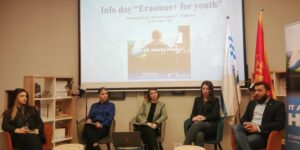
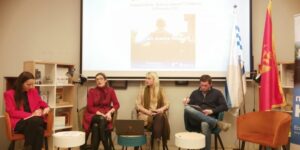
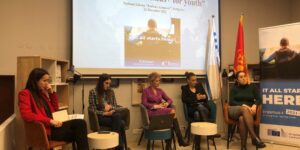
In the introductory part of the event, Vanja Drljević, National Erasmus+ Office; Sanda Rakočević, ADP Zid; Danijela Vujošević, Ministry of Sports and Youth and Ksenija Borilović, Office for Youth of the Capital City; addressed the public.
The Erasmus+ programme was presented by Rina Muhaj, National Erasmus+ Office, and she spoke about the possibilities of capacity building and virtual exchange, and Milena Šćepanović, ADP Zid, explained the mobility projects. The panel also included organizations from the youth sector that shared their experiences of participating in the Erasmus+ programme (Center for Youth Organizations, NGOs Prima and Cazas, as well as organizations and local administration that participate less in the programme – Center for the Affirmation of the RE Population, Eduko plus, Municipality of Tuzi, Municipality of Tivat, Network for Youth Activism) which opened a dialogue about their needs and difficulties of participating in the programme, as well as experiences of working with youth.
A presentation from the event is available here
Funded by the European Commission, the master give access to full scholarships, covering the costs of the program and including a grant of 1,400€ for each full month.
The master is in collaboration with the universities of Zagreb School of Economics & Management (Zagreb, Croatia), University of Management & Economics (Vilnius,Lithuania) HEC Liege, Management School (Liege, Belgium). Indeed, it is a 18-month program, divided in 3 semesters of 6 months each in Zagreb, Vilnius and Liege. There is one master degree from each of the partner universities and a joint certificate of Master in Impact Entrepreneurship.
The program also includes partnership with international institutions, entrepreunarial sector, etc. It’s a great way for institutions, by recruting student from the country, to enhance collaborations, access to institutions and international relations.
Detailed information can be found here
]]>The main focus of this event was to present the results of the last Erasmus+ Call for proposals as well as to inform potential participants of the eligible actions in the field of higher education in which Montenegro can take part within the new Call for proposals. The event served as an opportunity to present European Universities Initiative, the new possibility open to participation of Western Balkans.
Mr Yngve Engstroem, Head of Cooperation sector, EU Delegation to Montenegro and Vanja Drljević, Head of National Erasmus+ Office in Montenegro addressed the public, and participation opportunities within the new Erasmus+ Call for proposals were presented by Vanja Drljević, Rina Muhaj and Ljiljana Gogić from National Erasmus+ Office. Participation results of Montenegrin universities within the last Call for proposals were presented by Filip Petrović from University of Montenegro, prof. Radislav Jovović from University Mediterranean and prof. Sandra Tinaj from University of Donja Gorica.
Below you can find presentations of the event:
ECHE and EUI – Vanja Drljević, National Erasmus+ Office
CBHE and Jean Monnet – Rina Muhaj, National Erasmus+ Office
ICM, Virtual Exchanges and EM – Ljiljana Gogić, National Erasmus+ Office
Participation of UoM in last Call for proposals (CB HE) – Filip Petrović, University of Montengro
Participation of UDG in the last Call for proposals – prof. Sandra Tinaj, University of Donja Gorica


 ]]>
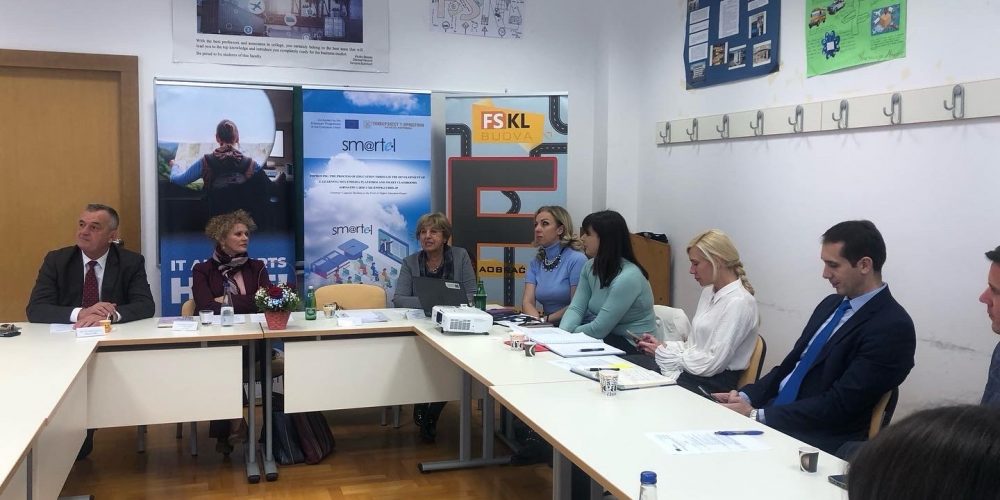
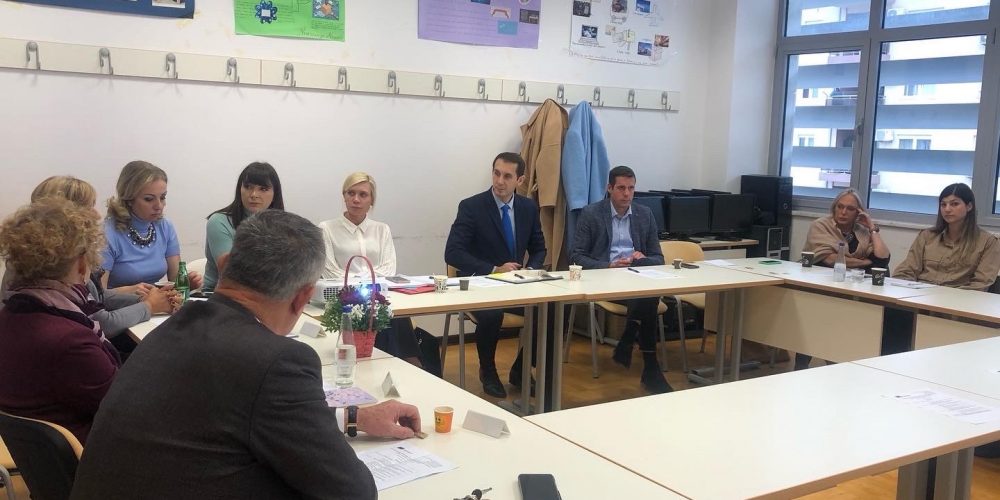
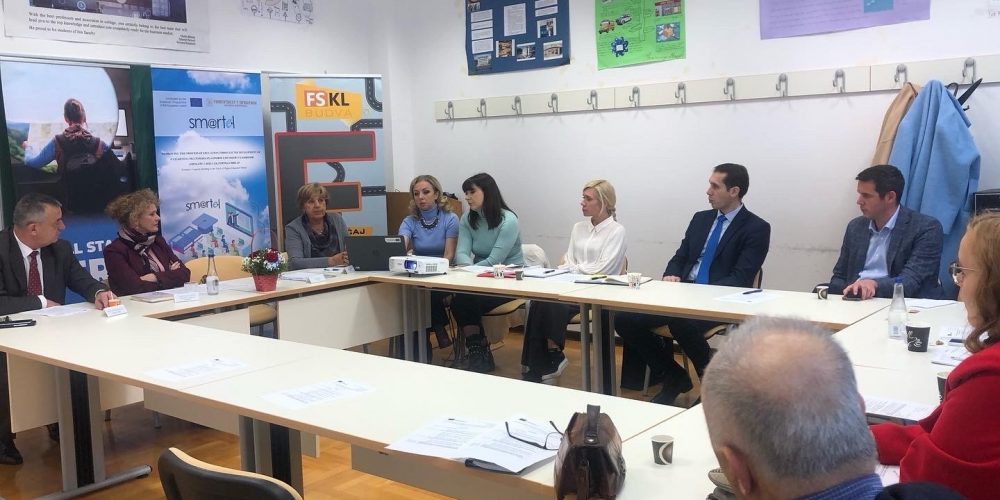
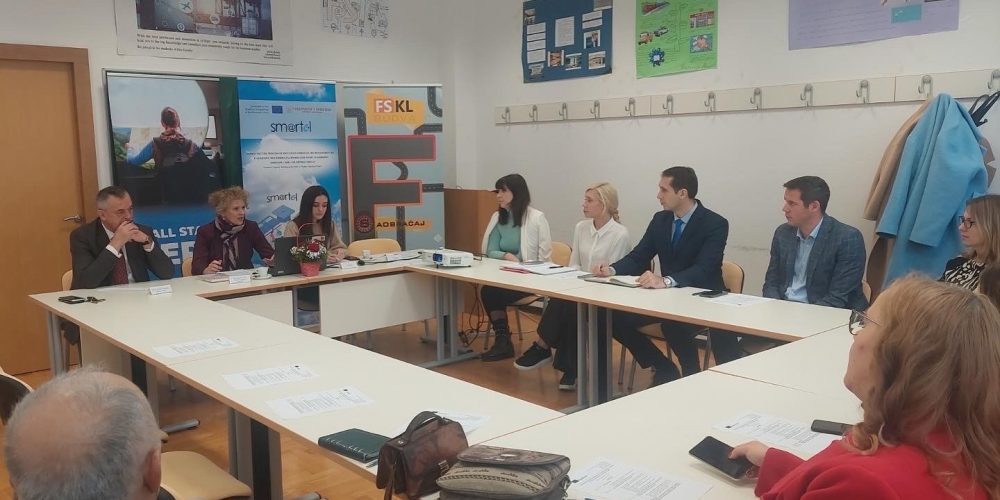
The event was held in the premises of the Academy of Knowledge in Budva. Within the new cycle of the programme, special emphasis is placed on the participation of institutions which are less represented in the programme.
This informative session brought together relevant representatives of the university units of the University Adriatic, and NEO presented the novelties within the framework of the new Call for proposals, and the session also served as an opportunity to present the achieved results of Montenegro within the framework of the previous call.
Within the last call for proposals, University Adriatik won a total of 4 Capacity Building in Higher Education projects. The Faculty of Traffic, Communication and Logistics Budva (3 projects) and the Faculty of Management Herceg Novi (1 project) participate in these projects as project partners. Presentations from the information session are available below:
Erasmus Mundus Action Erasmus+ Info day 2022
Jean Monnet Erasmus+ Info day 2022
]]>
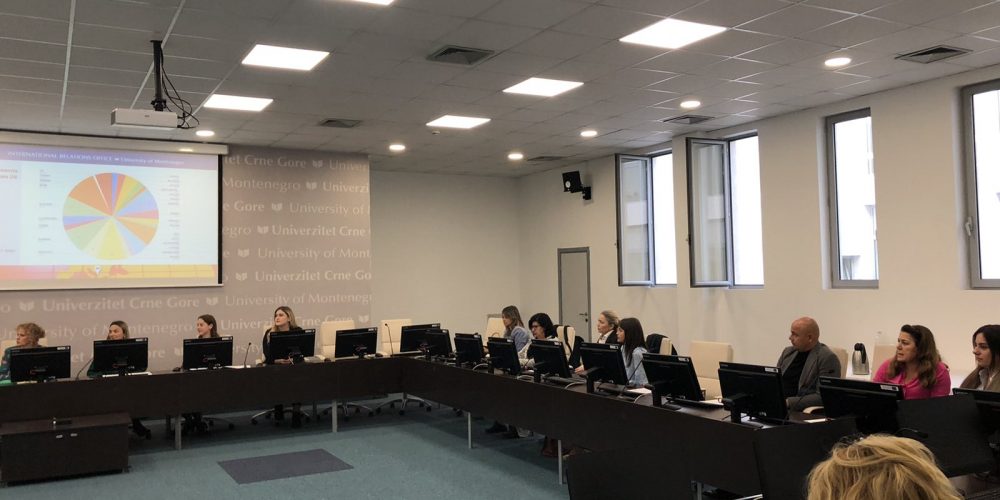
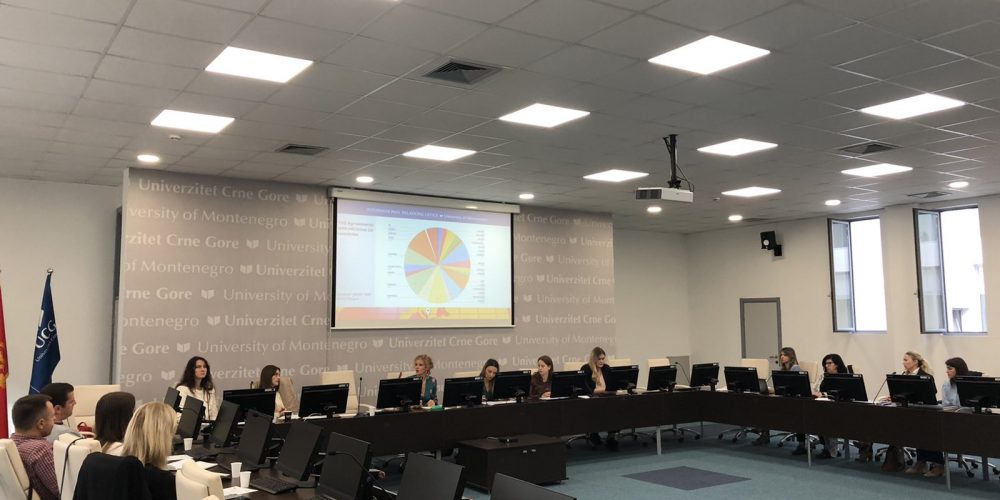
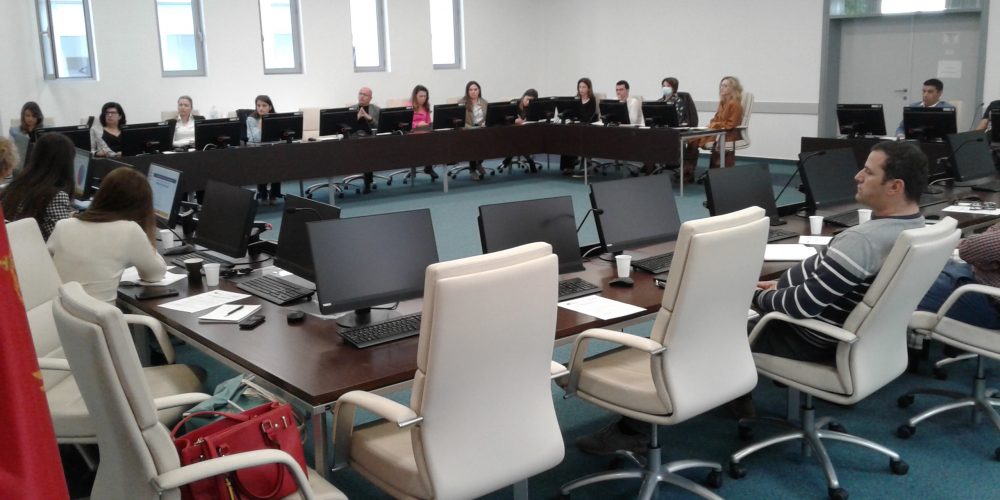
This cluster meeting brought together teaching/administrative staff from the University of Montenegro who participated in the key action 1 “International credit mobility” within the Erasmus+ programme. The goal of this cluster meeting was to gain insight into the outcome of the implemented mobilities of teaching/administrative staff and their impact on building the capacity of individuals and building the capacity of higher education institutions through improving the quality of teaching and introducing new teaching methodologies and practices, as well as through improving the administrative capacities of institutions.
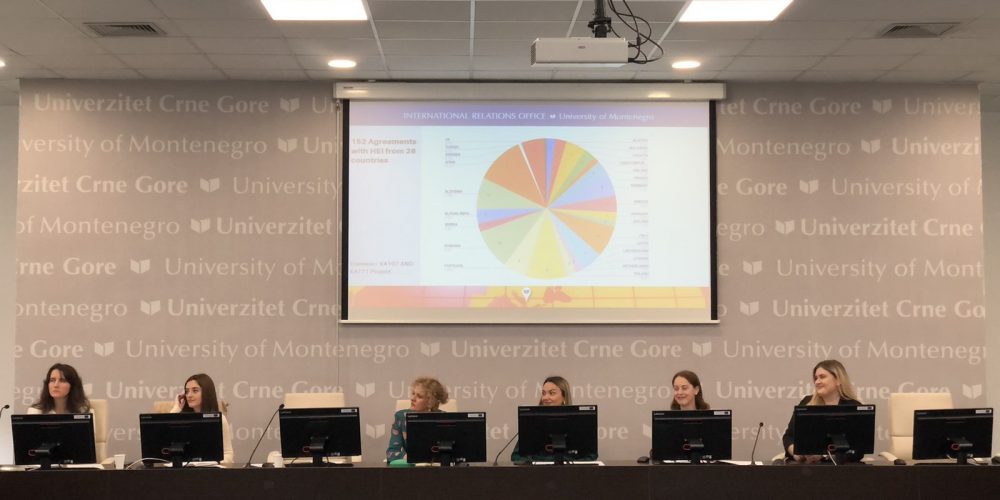
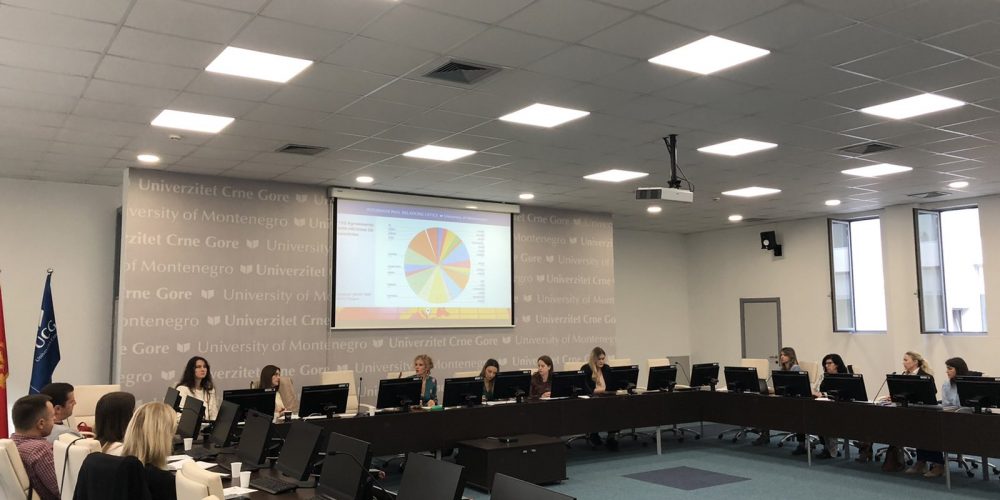 ]]>
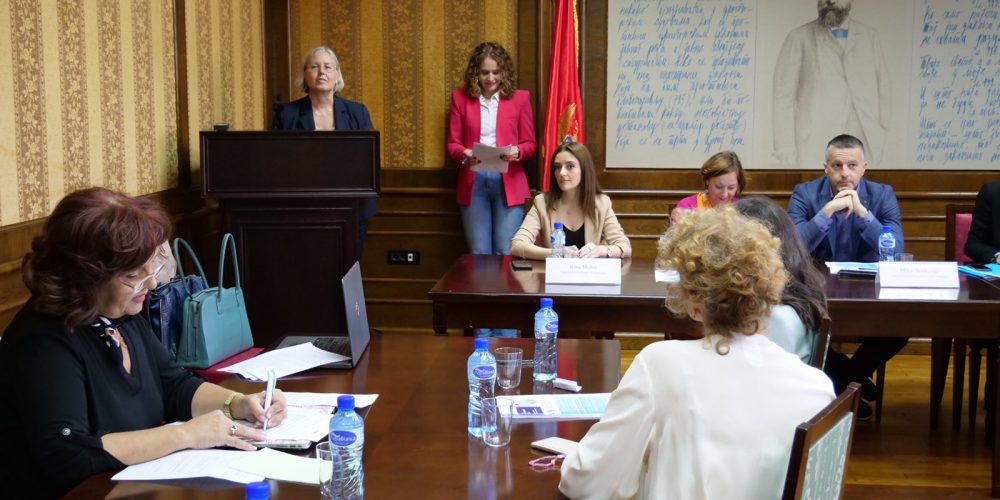
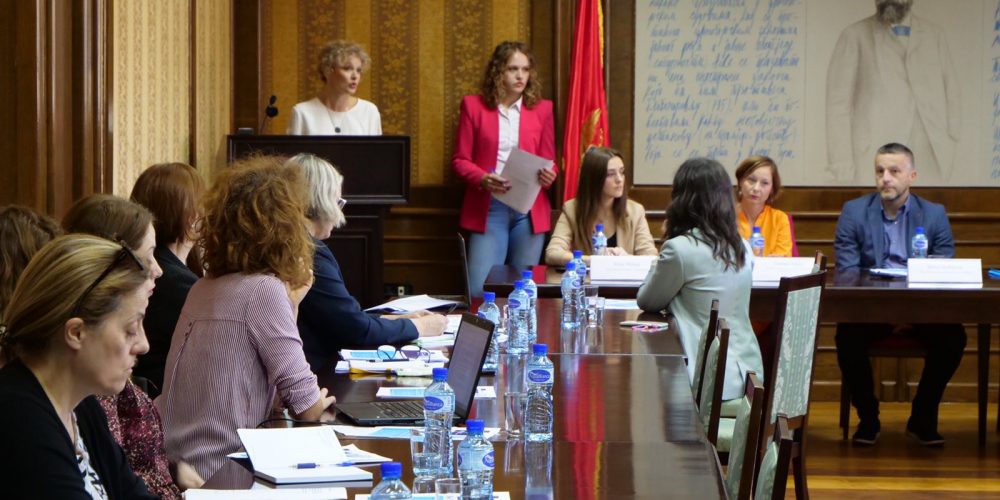
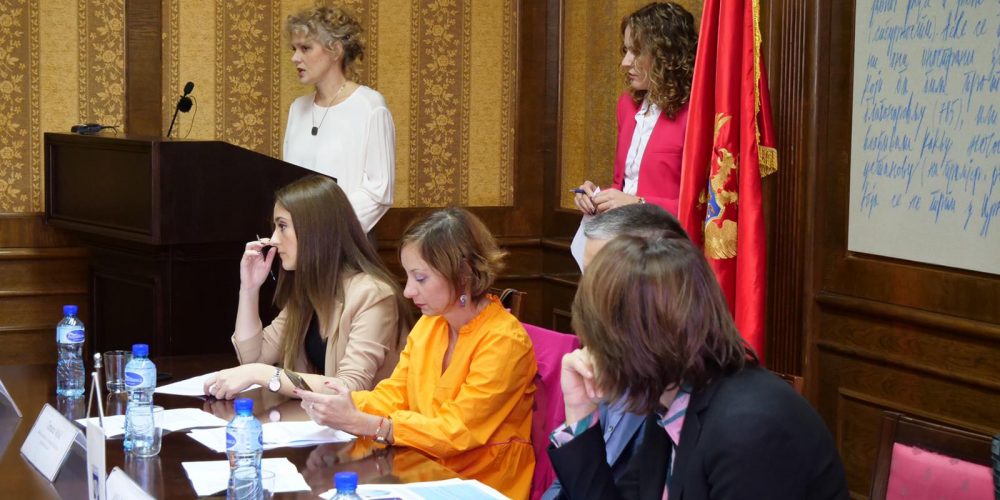
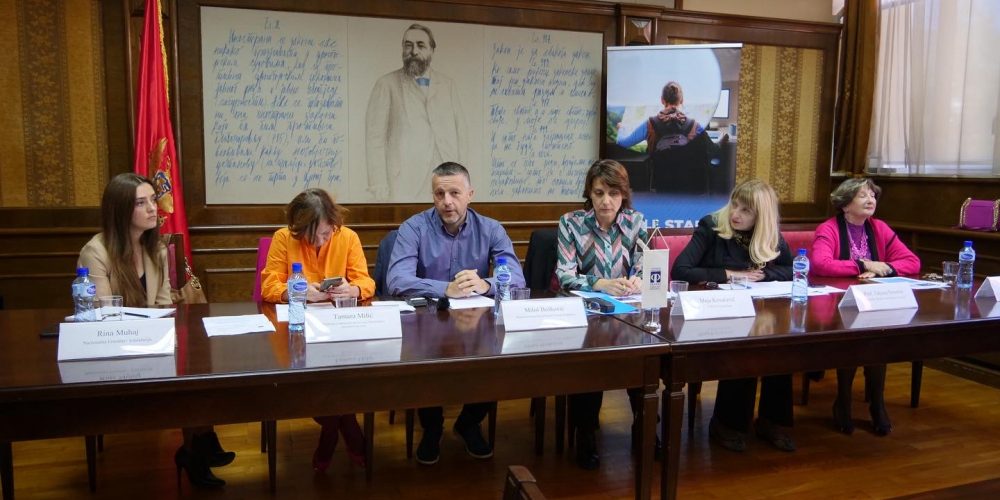
Inclusion and diversity, together with green economy, digital transformation and participation in democratic life, are key priorities of the new cycle of the Erasmus + program (2021-2027). As the largest program of the European Union in the field of education, training, youth and sports, the Erasmus + program will be a key instrument for building knowledge, skills and competencies, as well as attitudes to support and nurture these priorities in the European Union and beyond.
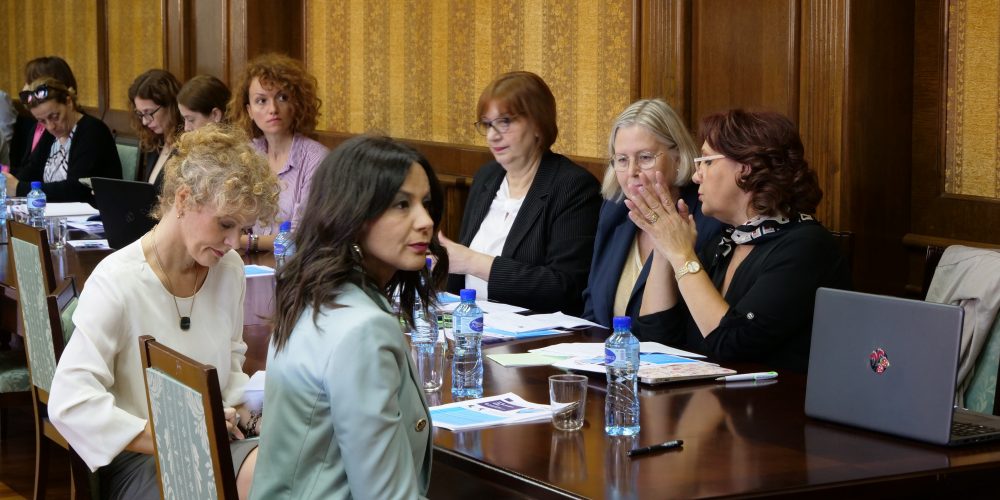
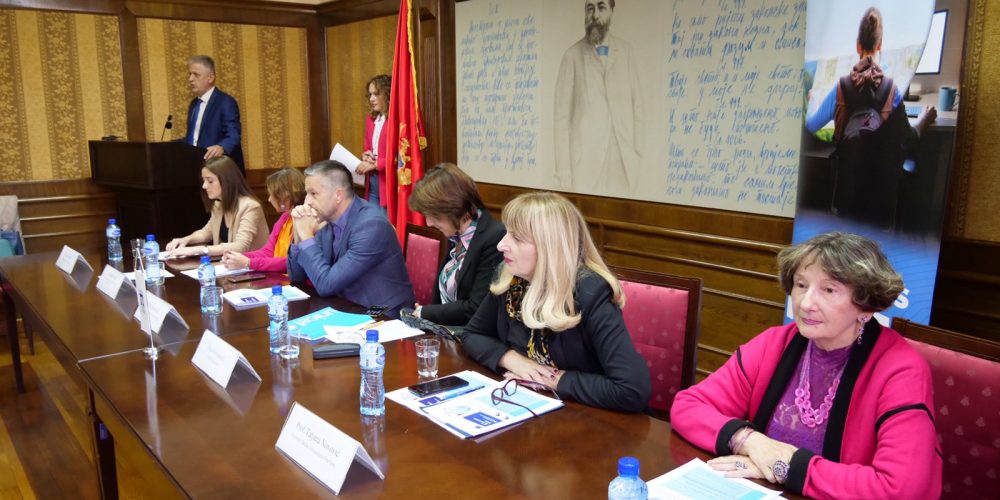
The aim of this event was to launch a broader dialogue on the importance and relevance of the inclusion and diversity in future Erasmus + projects in the local context of Montenegro; networking between university academic communities and relevant actors in the field of inclusion and diversity in order to jointly develop future joint project ideas that could impact the education system; identification of key target groups with this regard; as well as opening a discussion on the challenges of inclusive education in Montenegro that could potentially be addressed in future Erasmus + projects.
In the introductory part of the event, the attendees were addressed by prof. Aneta Spaić, dean of the Faculty of Law of the University of Montenegro, Vanja Drljević, Head of the National Erasmus+ Office in Montenegro, Zejnel Klimenta, State Secretary of the Ministry of Education of Montenegro, as well as Liselotte Isaksson, Deputy Head of the Sector for Cooperation from the EU Delegation in Montenegro.
Inclusion and diversity in the context of the Erasmus+ programme was explained by Rina Muhaj on behalf of the National Erasmus+ office in Montenegro, while the broader concept of inclusive education system in Montenegro was explained by Tamara Milić from the Directorate for Inclusive Education of the Ministry of Education. Miloš Bošković from the Council of Europe in Podgorica, Maja Kovačević on behalf of UNICEF Montenegro, prof. Tatjana Novović, dean of the Faculty of Philosophy of the University of Montenegro and local coordinator of the Tempus project FOSFIM, as well as prof. Biljana Đuričin from the Faculty of Law of the University of Montenegro, coordinator of the Erasmus+ project ENEMLOS also explained the concept of inclusion.
]]>
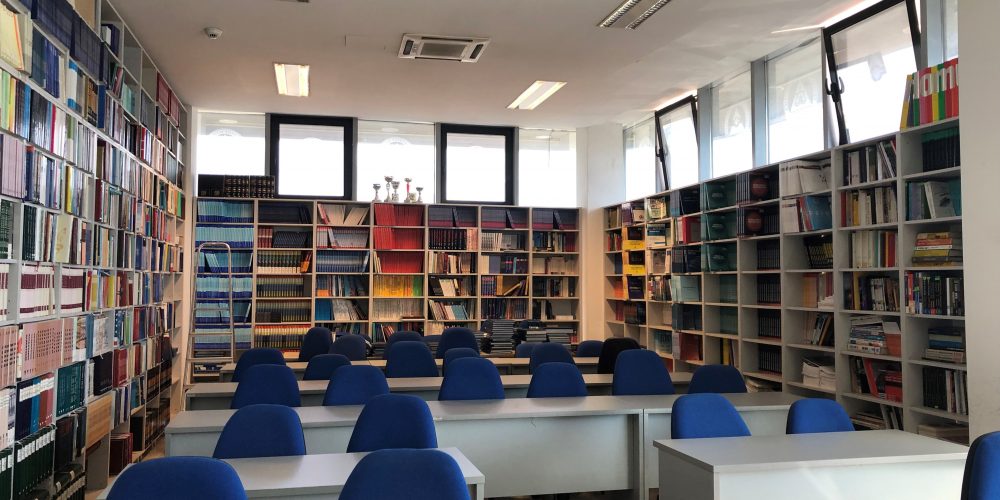
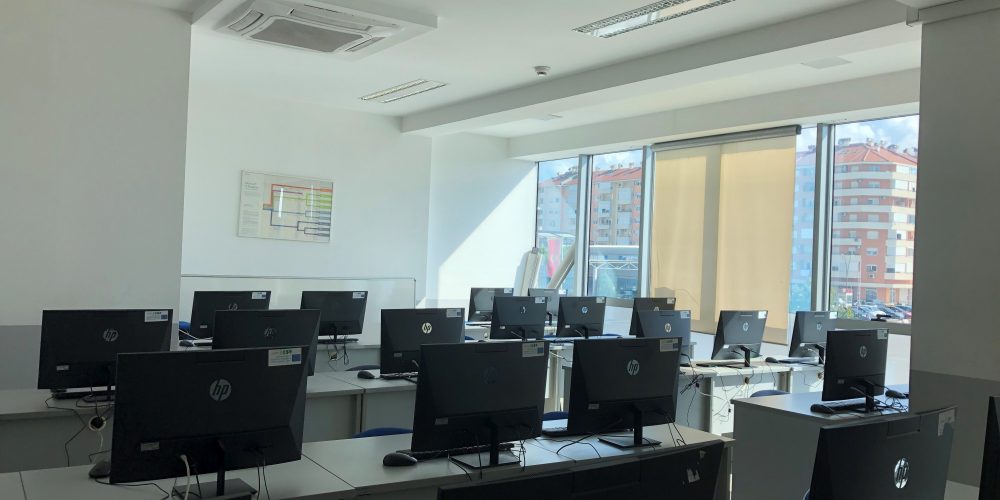
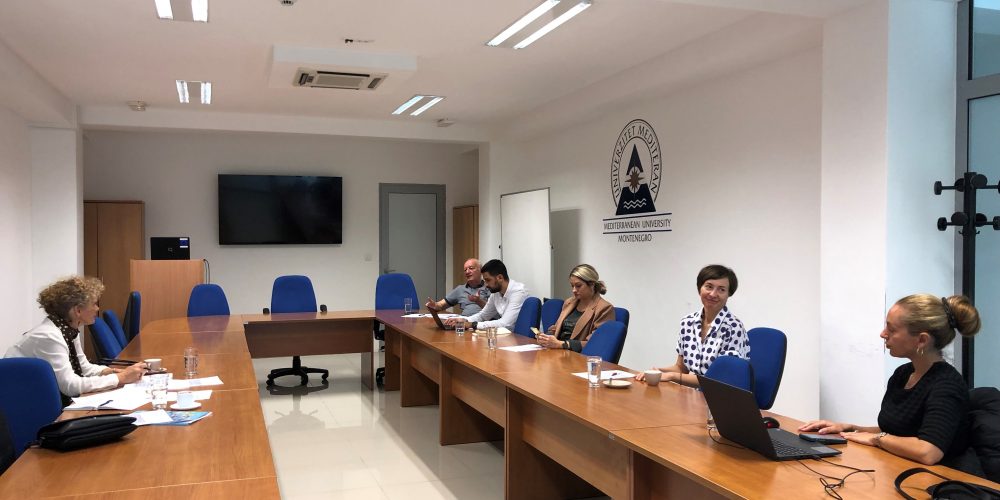
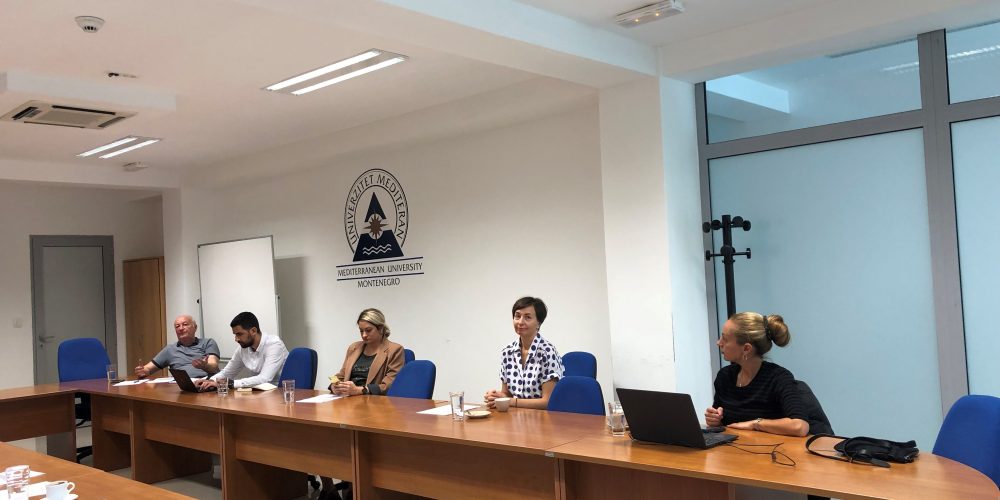
This visit brought together coordinators/local coordinators of Erasmus+ projects in which Mediterranean University participates, and they presented the results of their projects and their importance at the institutional level.
 ]]>
- Jean Monnet Actions in the field of Higher Education: Chair. TOPIC ID: ERASMUS-JMO-2022-CHAIR
- Jean Monnet Actions in the field of Higher Education: Modules. TOPIC ID: ERASMUS-JMO-2022-MODULE
- Jean Monnet Actions in the field of Higher Education: Centres of Excellence. TOPIC ID: ERASMUS-JMO-2022-COE
- Jean Monnet Networks on Foreign Policy Issues. TOPIC ID: ERASMUS-JMO-2022-NETWORKS-HEI-NON-EU