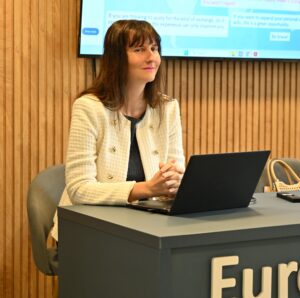
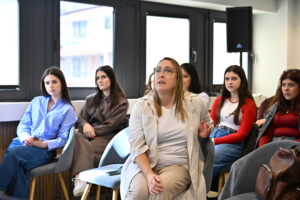
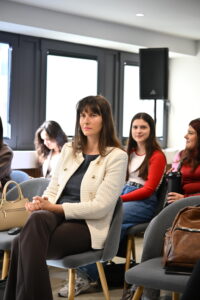
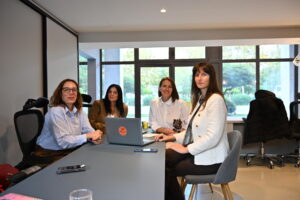
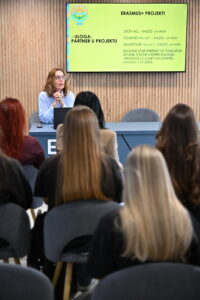
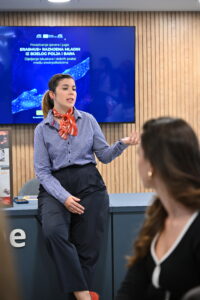
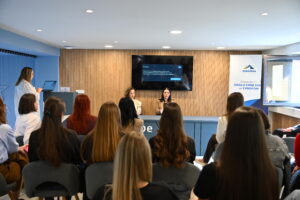
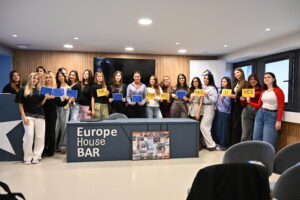
The activity brought together students and teachers from the Secondary school of economics and hospitality in Bar and the Secondary school of electrical engineering and economics in Bijelo Polje. Its aim was to provide information on opportunities to participate in Erasmus+ projects and mobility programmes.
During the event, students were introduced to the opportunities available to them through the Erasmus+ programme, while teachers learned about opportunities to participate in Erasmus+ Capacity Building projects in the field of vocational education and training (VET).
WINTOUR (www.wintour-master.eu) is the International Master on Wine Tourism Transitions and Innovations – an Erasmus Mundus joint degree taught in English by the universities URV (Tarragona, Spain), UBx (Bordeaux, France) and UP (Porto, Portugal). Students spend one semester in each of three UNESCO World Heritage wine regions and finish with a four-month professional internship in the sector.
Each grant covers the full participation fees (8.000 € per year, for a total of 16.000 €) and pays a monthly allowance of 1,.00 € for up to 23 months (for a total of 32.200 €). In summary, the financial support from this EU scholarship amounts to nearly 50 k € for the two-year programme per student.
Since the call for Erasmus Mundus scholarships applications is open next 10 November 2026 until 17 December 2026, more information is available here: the one-pager and an informative summary about WINTOUR . We also invite you to take part in free online informative session next 15 October 2026 16.00 CET for prospective students and opened to all potential stakeholders. Registration thereto is available at MailScanner has detected definite fraud in the website at “forms.cloud.microsoft”. Do not trust this website: MailScanner has detected definite fraud in the website at “forms.cloud.microsoft”. Do not trust this website: WINTOUR Informative Session 15 October 16:00h CET – Please fill in the registration form
]]>The aim of this follow-up activity was to familiarise the academic community with the conclusions of the seminar and to prepare concrete recommendations for further work, with a view to ensuring the sustainability of the outcomes and results of the aforementioned HERE seminar. The meeting was attended by relevant representatives of the academic community as well as members of the HERE team.
Following the opening remarks by Ms Vanja Drljević, Head of the National Erasmus+ office in Montenegro, who emphasised the importance of organising this type of activity in order to ensure the sustainability of the results and outcomes of HERE seminars, prof. Mira Vukčević, University of Montenegro, president of the HERE team and the initiator of the seminar, addressed the participants and highlighted the importance of the topic.
Prof. Maja Škurić from the University of Montenegro presented the key conclusions of the seminar, while prof. Tatijana Dlabač from the University of Montenegro, a member of the HERE team, and prof. Maja Delibašić from Mediterranean University, presented the next steps concerning this topic.
It was concluded that there is a need to continuously raise awareness within the academic community of the importance of and need for modern technologies in contemporary education. At the same time, emphasis was placed on the need to develop guidelines and a clearly defined legal framework governing the use of artificial intelligence. It was agreed that additional meetings involving HERE team members and other relevant stakeholders would be held in the coming period in order to address this topic appropriately.
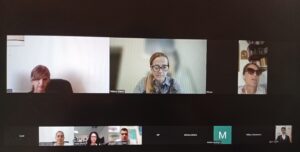
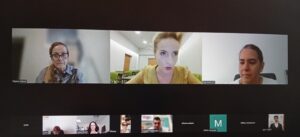
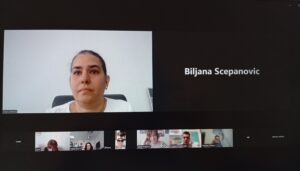
We took this opportunity to connect and network with various sports organizations in Montenegro. We hope to see even more active participation from sports organizations in the upcoming Erasmus+ Call for Proposals for Capacity Building in the Field of Sports!
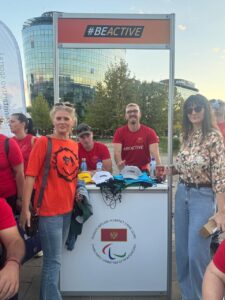
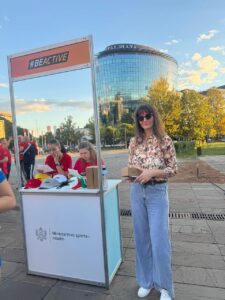
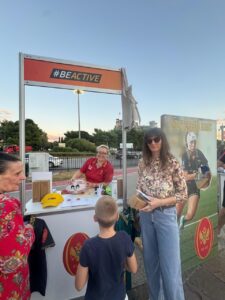
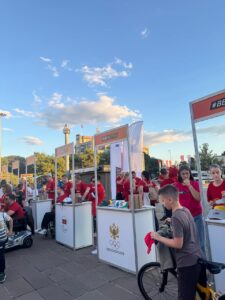
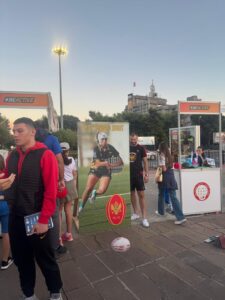
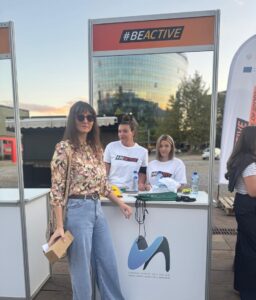
During this interactive session, high school students had the opportunity to learn in detail about the wide range of opportunities available to them within the programme’s current seven-year cycle. Particular emphasis was placed on youth exchanges, student mobility, and volunteering projects, which enable young people to travel, improve their foreign language skills, meet peers from different cultures, and develop key skills for their personal and professional growth. Through a presentation and discussion, students were introduced to the application process and guided through the first steps towards international learning and development opportunities.
The workshop generated great interest among the students of “Braća Selić”, opening the door to new international experiences and motivating them to become active members of the global Erasmus+ community.
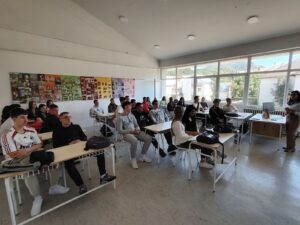
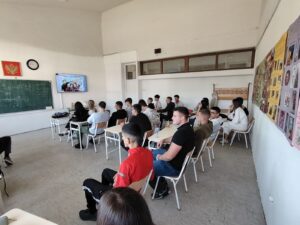
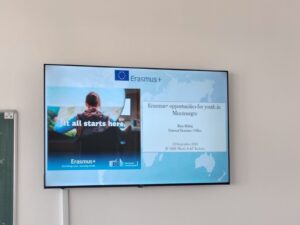
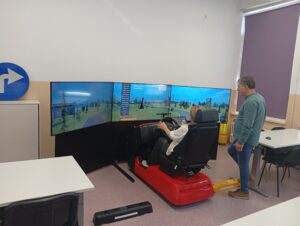
On this occasion, we met with the Dean and teaching staff of the Faculty of Transport to discuss opportunities for cooperation, the exchange of experiences, and the establishment of connections through joint activities and projects.
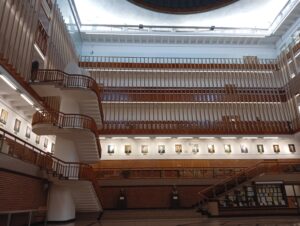
Skills are frequently addressed in policy discussions and documents and emphasized as a main enabler and driver for social and economic development. For higher education institutions, this raises specific questions for learning and teaching: how skills are understood and defined, how they relate to learning outcomes and competences, and how they can be embedded in curricula, teaching practices and institutional strategies. This SPHERE seminar focused on the implications of the skills agenda for higher education learning and teaching.
The SPHERE Bologna symposium presented policies and practices of the European Higher Education Area (EHEA) but also gave opportunity to discuss the specific experiences of HEREs with these reforms, whether within or outside of the EHEA.
The two events provided an opportunity for HEREs and NEOs to reflect on higher education reform, implementation and institutional practice, from the perspective of both policy frameworks and learning and teaching.
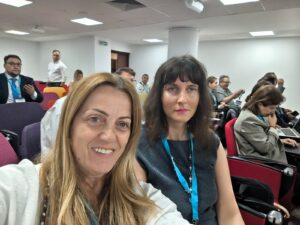
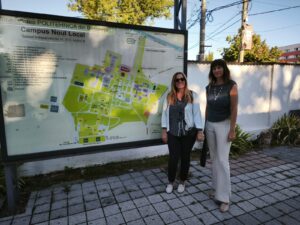
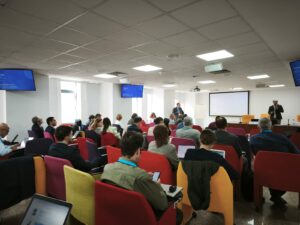
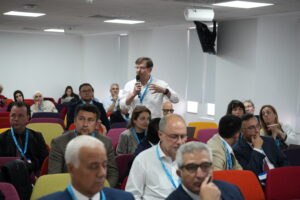
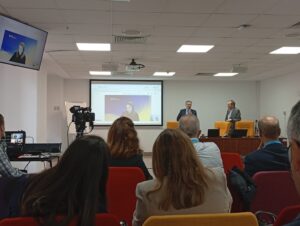
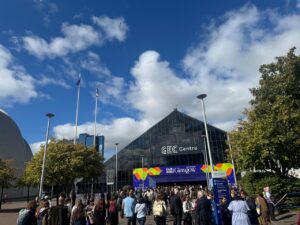
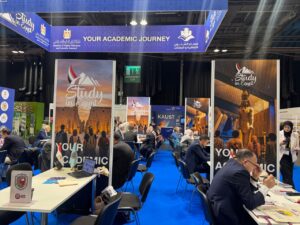
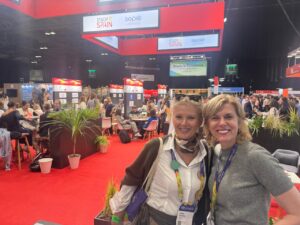
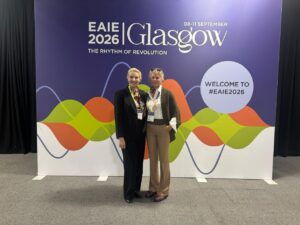
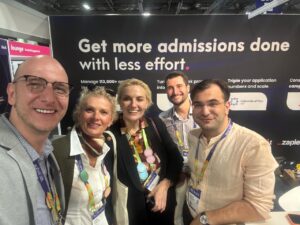
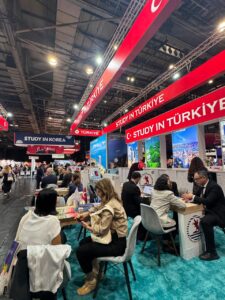
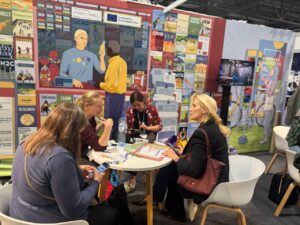
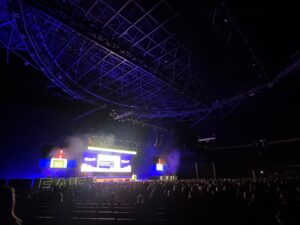
Under the theme The Rhythm of Revolution, the conference explored a wide range of topics through numerous sessions and activities, including international mobility, partnerships, European programmes, and the future of internationalisation in higher education.
EAIE provided a valuable opportunity to exchange experiences, make new connections, and network with colleagues from the international academic community.